
Whether you’re stepping into a tasting room for the first time, hosting a small tasting at home, or trying to get more from bottles in your cellar, learning to taste wine intentionally transforms the experience. At Vino Concierge, I teach clients simple, repeatable steps that sharpen the senses, demystify wine jargon, and make tasting both fun and informative. Use this Wine Tasting 101 guide right away!
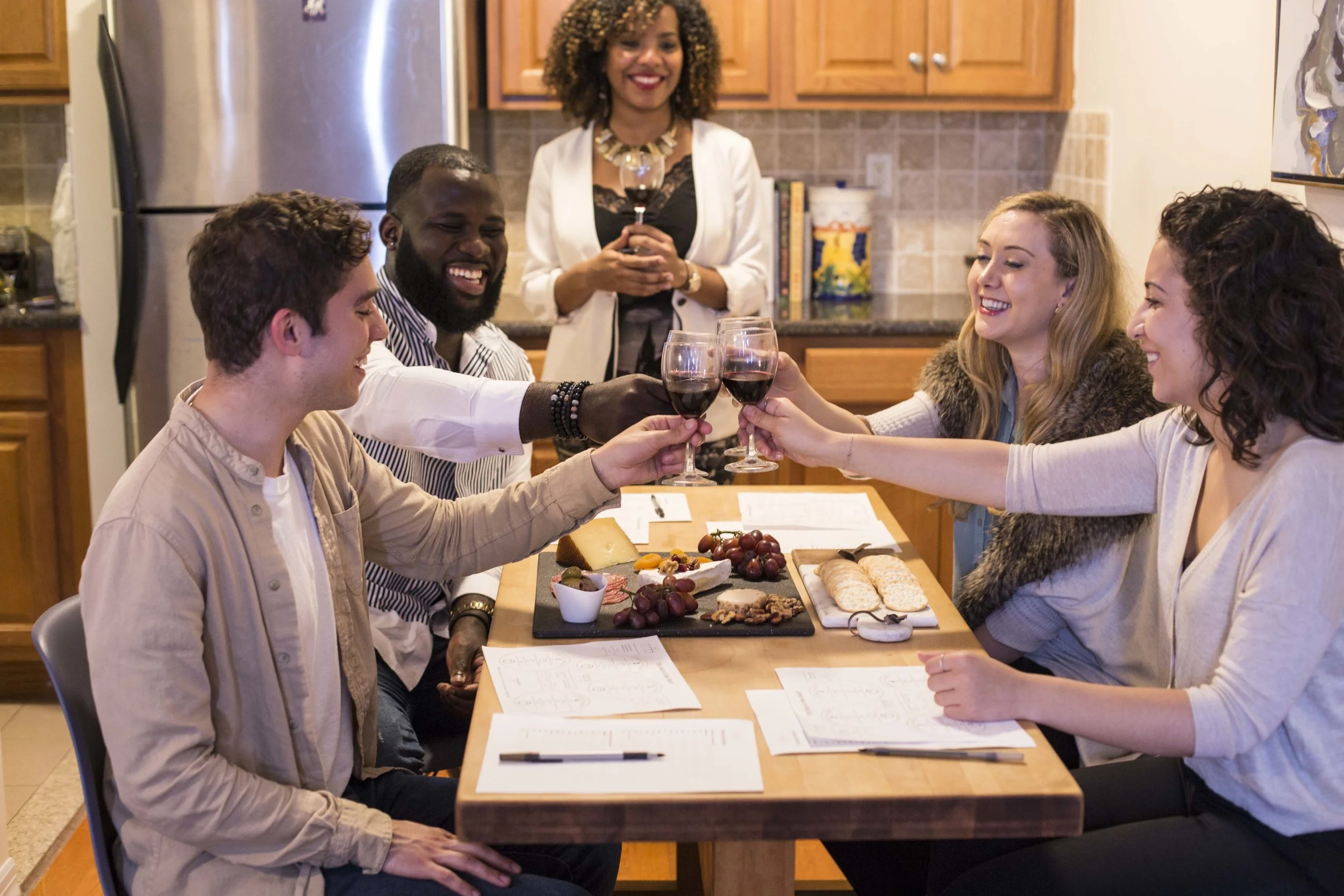
Prepare the setting
Neutral environment: Choose a room with neutral smells (no strong perfumes, cooked food, or cleaners). Bright, natural light or soft white light helps you see color accurately; you can use a clean white sheet as background as well!
Clean glassware: Use universal or ISO-style glasses; avoid colored glass as color is an important clue. I recommend the following brands: Riedel, Zalto and Gabriel-Glas.
Temperature control: Serve wines at appropriate temperatures (sparkling, rosé and whites at 45–55°F and reds at 55–65°F). Slightly too cold dulls aroma; too warm can exaggerate alcohol.
Palate resetters: Plain crackers like Carr’s or La Panzanella, unsalted bread, or water between pours.
Taste in a consistent order
Taste from lightest to heaviest: sparkling → white →rosé → red → fortified. Within categories, taste younger before older and dry before sweet. Consistency helps you compare and detect nuances. Additional PRO trip: I love ending a tasting with either a dry, zippy sparkling or white as a palate refresher.
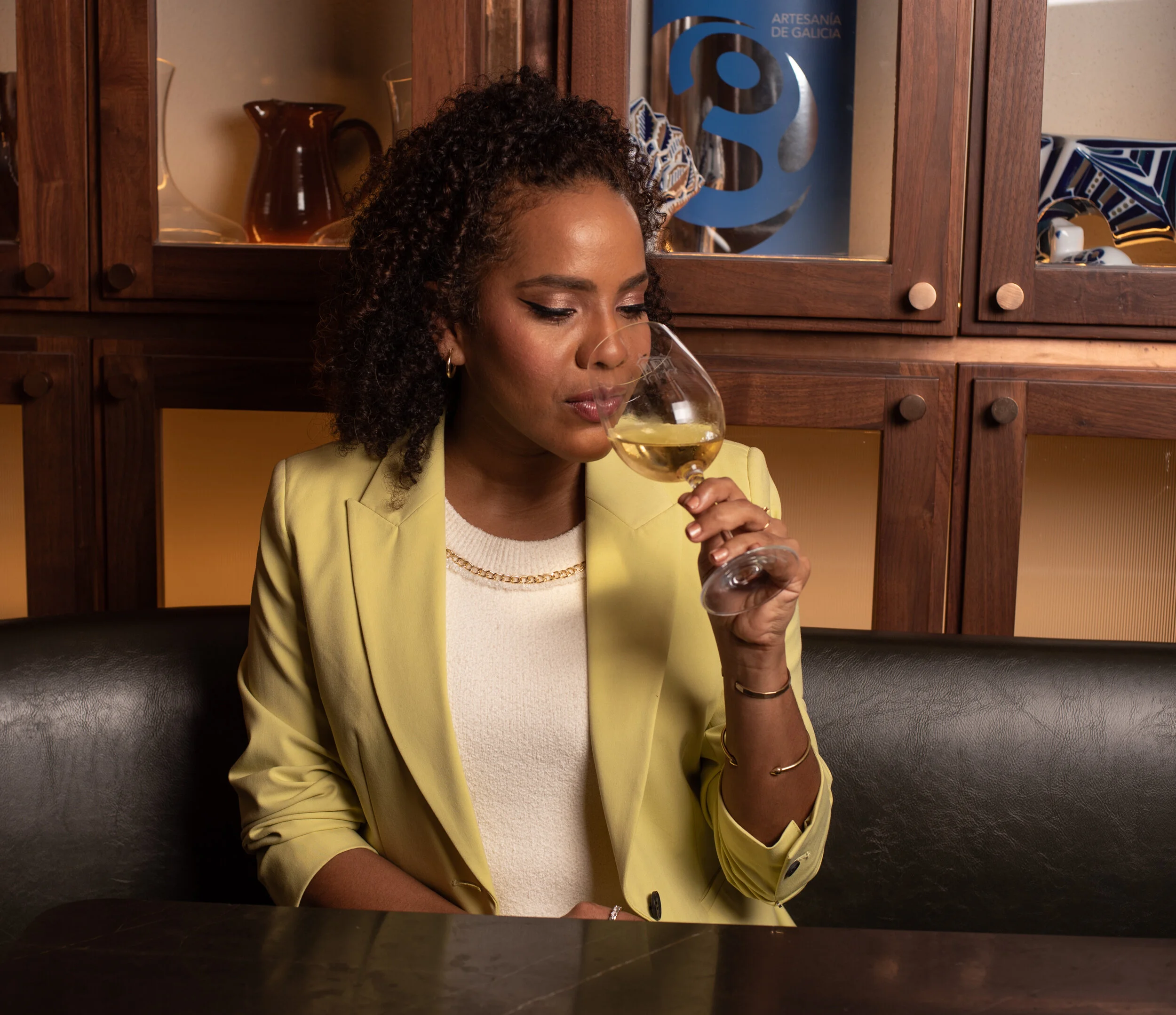
Three-step focus: Look, Smell, Taste
Look (Appearance): Hold the glass at a slight angle against a white background. Note clarity, intensity, and color (color can indicate age and grape type). Look for legs on the glass after swirling—these reflect alcohol/sugar levels but are not quality measures.
Smell (Aroma/Nose): Swirl gently to release aromas. Take several short sniffs then a longer inhale. Separate primary aromas (fruit, floral, herbaceous), secondary (fermentation/yeast, malolactic buttering, oak), and tertiary (aging: leather, tobacco, dried fruit). Start with broad descriptors (citrus, red fruit) and refine over time.
Taste (Palate): Take a moderate sip and let it coat your mouth. Evaluate sweetness, acidity (mouthwatering), tannin (drying for reds), alcohol (warmth), body (mouthweight), and finish (length). A balanced wine harmonizes these elements.
Use focused tasting flights
Group 3–5 wines by theme: same grape/different regions, same region/different grapes, or multiple vintages. Focused flights reveal how climate, soil, and winemaking choices affect flavor.
Keep short, consistent notes
Record producer, vintage, a one-line impression, and three keywords (e.g., “bright, citrus, saline”). Have a notebook, printable tasting note sheet or make your own!
Practice with purpose
Taste regularly and with intention; even one focused glass a week sharpens your senses and trains you to recognize quality markers like fruit profile, acidity, and tannin structure, and of course balance. Use brief, goal-oriented sessions (e.g., compare two varietals or two vintages) and do blind tastings (cover labels or have someone pour) to remove bias and build more objective judgment.
Etiquette & practical tips
Dos:
Spitting is normal and preferred if you are hosting a big tasting or attending a professional one. Spittoons are a MUST, sometimes I even bring my own single spit cup when I go to industry tastings!
Ask questions in tasting rooms and shops, hosts are there to explain.
Don’ts:
Wear strong perfume or eat strong/spicy foods before tasting.
Assume price = better quality; taste objectively.
Tools I recommend to have at home
Glasses: Riedel, Zalto and Gabriel-Glas
Decanter: simple crystal decanter
Preservation: Coravin system or vacuum stoppers; sparkling wine stoppers for bubbly!
Plain crackers like Carr’s or La Panzanella
Happy tasting!
Disclosure: This post contains affiliate links, Vino Concierge may earn a commission if you purchase through these links at no extra cost to you.
Quisque iaculis facilisis lacinia. Mauris euismod pellentesque tellus sit amet mollis.